
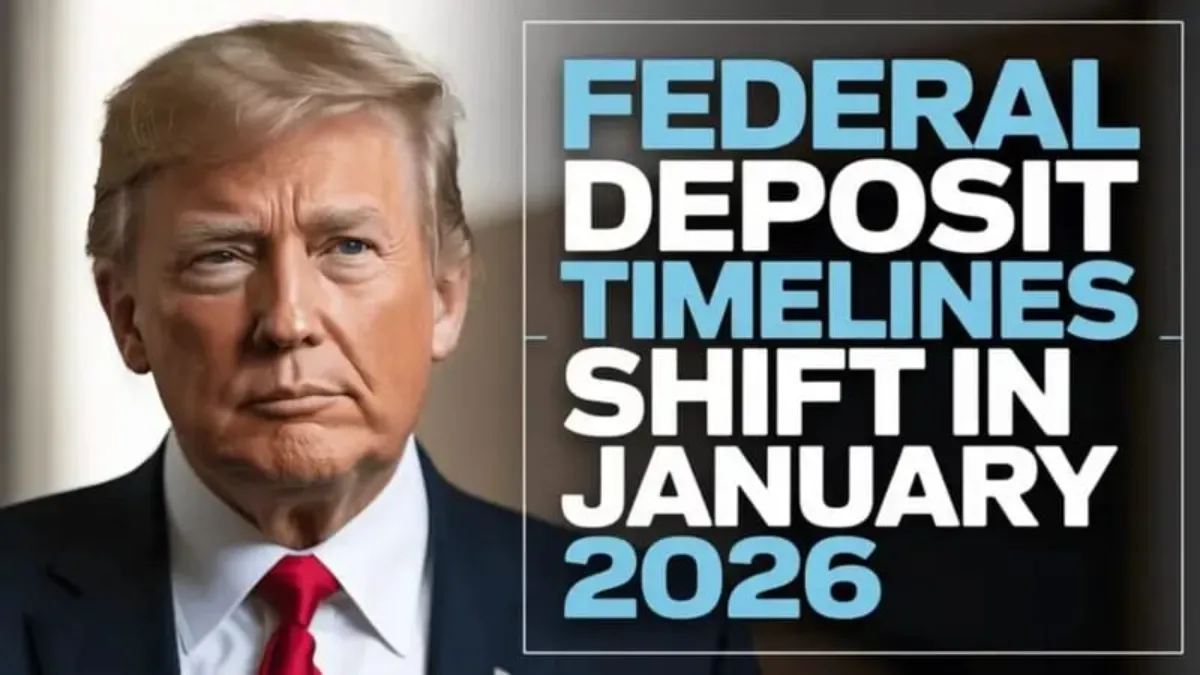
In January 2026, many Americans expecting a $2,000 federal deposit may see delays or different deposit dates because of processing changes, tax filing times, banking rules, and eligibility checks. Not everyone will receive the money at the same time, and for some people, the amount or timing may change.
What Is the $2,000 Federal Deposit Everyone Is Talking About
As January 2026 begins, there is growing attention around a possible $2,000 federal deposit. For many people, this money is linked to tax refunds, refundable tax credits, or government benefit adjustments rather than a single, brand-new stimulus check. That’s where much of the confusion starts. Some households expect the money early in the year, while others are unsure if they qualify at all.
The federal government often releases payments in phases. These deposits can come from the IRS as tax refunds, from the Treasury as benefit payments, or as adjustments based on income changes reported in previous years. While headlines make it sound like a single payment for everyone, the reality is more layered. The timing and amount depend heavily on personal financial details and how quickly records are processed.
Why Deposit Timelines Are Shifting in January 2026
One big reason timelines are shifting is the way federal systems handle the start of the tax season. January is a busy month, with millions of returns being prepared or submitted. Even small changes in IRS systems or verification rules can push deposit dates back by days or even weeks.
Another factor is additional identity and fraud checks. In recent years, the government has tightened security to prevent false claims. While this protects taxpayers, it can slow down payments for people whose returns are flagged for review. Banking schedules also matter. Federal deposits do not process on weekends or holidays, so even an approved payment may take longer to show up in your account.
Who May Receive the $2,000 Earlier Than Others
Some people are more likely to see their money sooner. Early filers usually move to the front of the line, especially if they file electronically and choose direct deposit. Those with simple tax situations, steady income, and no major changes from the previous year also tend to get faster processing.
On the other hand, people claiming certain credits, updating dependent information, or correcting past returns may wait longer. If you recently changed banks or addresses, that can also delay delivery. The government processes payments in batches, so even two people with similar incomes might receive deposits weeks apart.
Common Reasons Refund Expectations Vary So Much
Refund expectations vary because the $2,000 figure is not guaranteed for everyone. It often represents a maximum possible amount tied to credits or refunds, not a flat payment. Your actual deposit depends on income limits, tax liability, and eligibility rules set for the 2025 tax year.
Here are some common reasons people see differences
Income changes compared to last year
Claiming or losing eligibility for certain credits
Delays due to verification or manual review
Paper filing instead of e-filing
Bank processing times after the payment is released
These factors can turn what seems like a straightforward payment into a waiting game for many households.
Expected Processing Windows for January 2026 Deposits
While exact dates vary, most January 2026 federal deposits follow a general pattern once tax season officially opens. Early approvals may lead to deposits within two to three weeks, while others could wait longer depending on their situation.
| Situation | Estimated Deposit Timing |
|---|---|
| Early e-filers with direct deposit | Late January to early February |
| Standard electronic filers | February |
| Returns needing review | Late February or March |
These timeframes are estimates, not promises. Even within the same category, individual cases can move faster or slower.
What You Can Do to Avoid Delays and Stay Prepared
If you are counting on a federal deposit, preparation matters. Filing early, double-checking information, and using direct deposit are the best ways to reduce delays. Keeping copies of past returns and watching for official IRS or Treasury updates can also help manage expectations.
It’s important to plan finances without assuming the money will arrive on a specific date. January 2026 deposits are real for many people, but the timing is not uniform. Understanding why these differences exist can reduce stress and help you make smarter financial decisions while waiting for your refund or benefit payment.