
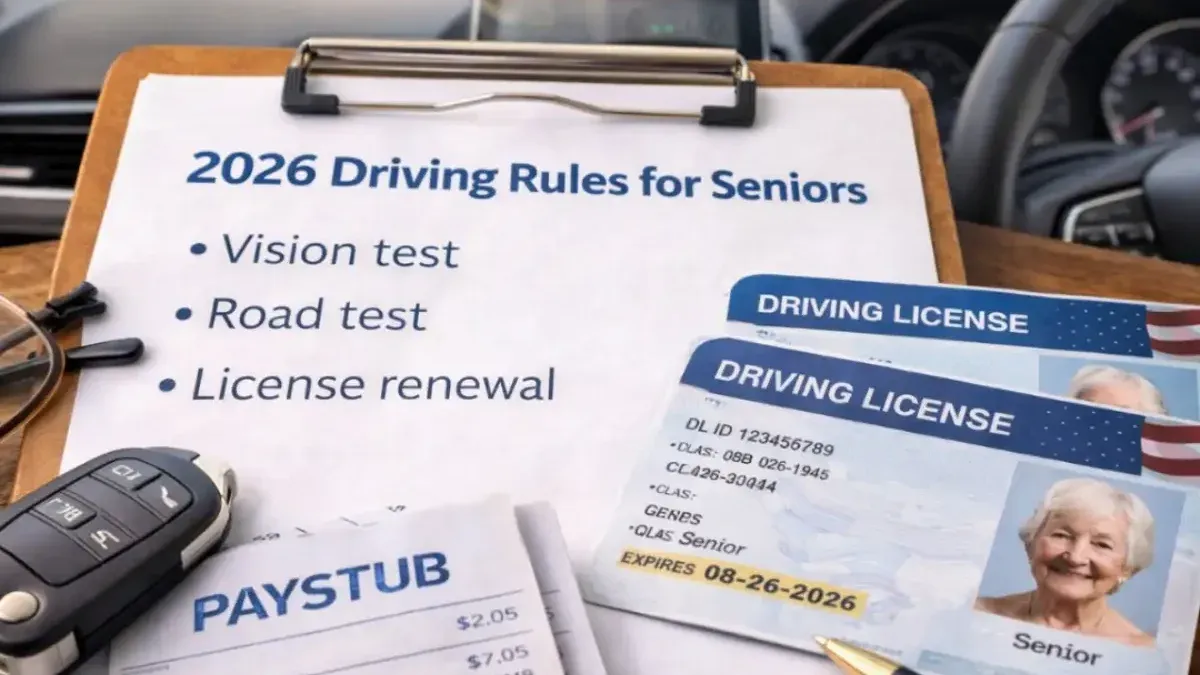
The start of 2026 brings big news for older drivers in the United States. Beginning January 1, 2026, new rules are rolling out that change how drivers 70 years old and up renew their driver’s licenses in many states. These changes aren’t meant to take away independence — they’re designed to help protect seniors and everyone on the road. But they will mean some new steps and checks before a license can be renewed.
Why These New Rules Matter
People are living longer and staying active much later in life. That’s great — but as we age, our vision, reflexes, and reaction time can change. Many states have decided it’s important to check these areas more often so seniors can stay safe behind the wheel. These changes aren’t one-size-fits-all; they’re shaped by state decisions because driver’s licenses are managed by each state, not the federal government.
More Frequent Renewals and Vision Tests
One big change is how often older drivers must renew their licenses. Instead of the long renewal cycles that younger drivers often have (like every 6–8 years), many drivers 70 and older may renew every 3–4 years. At each renewal, a vision test is required to make sure eyesight is still strong enough for safe driving. If someone needs glasses or contacts, they can still drive as long as they pass while wearing them.
| Rule area | Before 2026 | After Jan 1, 2026 |
|---|---|---|
| License Renewal | Every 6–8 years | Every 3–4 years (varies by state) |
| Vision Test | Optional in some states | Required at every renewal |
| Medical Review | Rare | For certain health conditions |
| Possible Road/Known Test | Less common | Only if concerns arise |
| License Restrictions | Limited use | Personalized and flexible |
Many drivers won’t need to take a driving or written test unless there’s a medical concern, accident history, or other red flag. That means most healthy seniors will keep renewing their licenses without extra exams.
Health and Medical Checks
Aside from vision tests, some seniors might be asked to get a medical review if they have conditions like diabetes, heart issues, or neurological concerns. The goal here is to identify risks early and make sure driving remains safe. This doesn’t automatically mean losing a license. Instead, doctors can often confirm that someone is fit to drive.
Optional Driving Classes and Tests
In some states, there might be refresher driving courses seniors can take to review traffic laws and defensive driving skills. These classes are usually short and meant to help, not punish. In rare cases, if someone’s driving record shows problems, they may be asked to take a short road or knowledge test. But remember — this is not automatic for everyone over 70.
How Families and Doctors Can Help
Some rule sets include a way for doctors, family members, or community members to flag concerns if they notice changes in a senior’s driving ability. That can trigger a more detailed evaluation. While this might sound strict, supporters say it’s meant to protect everyone on the road — including the driver themselves.
What This Means for Drivers Over 70
So what should seniors and their families keep in mind?
• Start planning early — know when your next renewal is due and what you’ll need to bring.
• Expect to visit the DMV in person for renewals.
• Bring current medical information if you have health issues that could affect driving.
• Don’t assume you’ll need a driving test — most healthy seniors won’t unless there’s a safety concern.
• Check your own state’s DMV website for the exact rules where you live.
These new changes aim to balance independence with safety. They help make sure older adults who are safe drivers stay on the road, while also catching potential problems early — before they lead to accidents. If you’re 70 or older, or have a loved one in that age group, getting informed now will make your next license renewal easier and stress-free.