
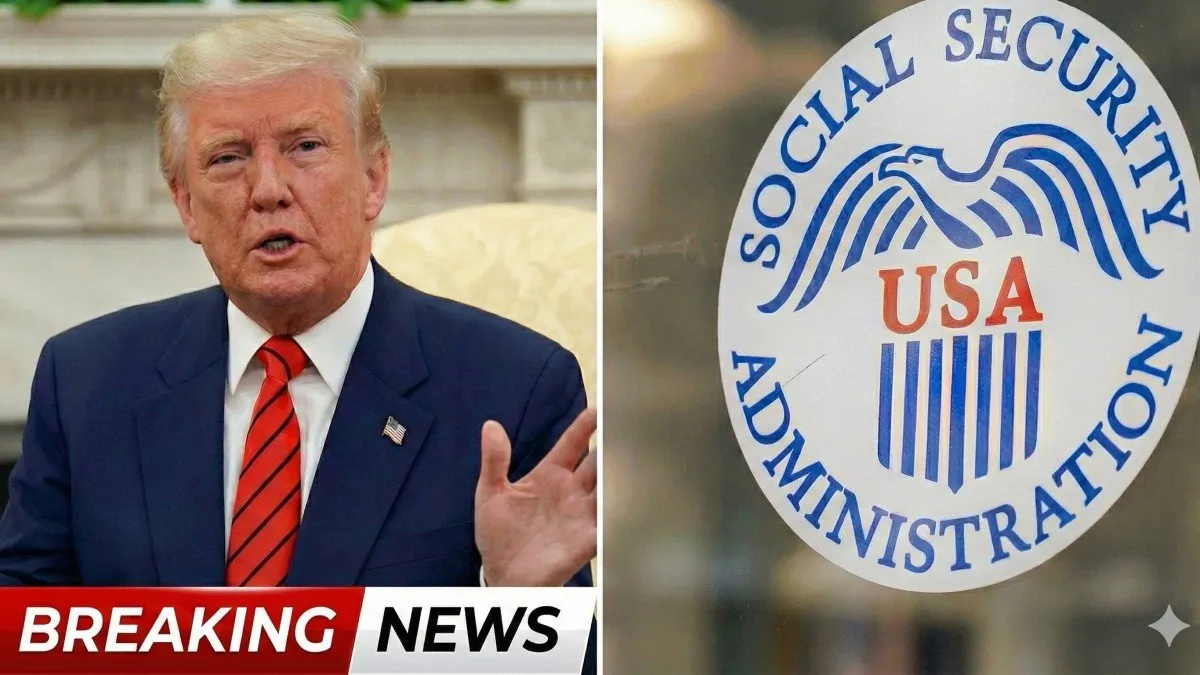
For weeks, millions of Social Security recipients were told to prepare for a major shift. The government had repeatedly said it was ready to end paper checks for good, pushing everyone toward direct deposit or prepaid debit cards. Officials used strong language, calling the deadlines “final” and urging people to act fast. But now, with very little public notice, that firm stance is softening. The plan to fully end paper checks is no longer moving at the speed many expected. Behind the scenes, the government appears to be quietly walking back its timeline, giving people more breathing room than originally promised.
Why Paper Checks Were Supposed to End
The push to eliminate paper checks was not new. For years, the government has argued that electronic payments are safer, faster, and cheaper to manage. Lost or stolen checks cost money, and printing and mailing them every month adds up. Direct deposit also helps payments arrive on time, even during bad weather or mail delays. On paper, the plan made sense. Officials believed most people were already set up electronically and that the remaining group could switch quickly with a little encouragement. What they underestimated was how many Americans still depend on paper checks because of limited banking access, technology issues, or simple habit built over decades.
Pushback From Seniors and Advocates
As the deadlines approached, complaints grew louder. Senior advocacy groups warned that many older Americans were confused, anxious, or unable to make the change easily. Some live in rural areas without reliable internet. Others do not trust banks or have had bad experiences with fees and account closures. Disability advocates raised similar concerns, pointing out that not everyone can manage online forms or customer service calls. Lawmakers started hearing from constituents who feared missing their only source of income. That pressure appears to have made an impact, even if officials are not saying so directly.
| Topic | Original Plan | Current Direction |
|---|---|---|
| Paper check end date | Firm deadline announced | Deadline now unclear |
| Communication | Strong public messaging | Limited, quiet updates |
| Options for recipients | Mostly electronic only | Paper checks still allowed |
What the Quiet Rollback Looks Like
Instead of a clear announcement, the change is happening quietly. Guidance on government websites has been softened. Language that once said paper checks “will end” now suggests they “may continue for some recipients.” Call center representatives are reportedly telling people not to panic and confirming that checks are still being sent. There has been no press conference or formal press release explaining the shift. For many recipients, the only sign of change is that their paper check keeps arriving, even after the so-called final deadline has passed.
What This Means for Social Security Recipients
For now, if you still receive a paper Social Security check, you are not alone, and you are not doing anything wrong. The government is still encouraging electronic payments, but it is no longer forcing the issue as aggressively. That said, officials have not abandoned the goal entirely. The long-term plan still favors direct deposit or debit cards. Recipients should expect more outreach in the future, just likely with a slower, more flexible timeline. Switching voluntarily can still be helpful, but there is no need to rush out of fear.
- Paper checks are still being issued
- No new hard deadline has been clearly announced
- Electronic payments remain recommended, not mandatory for everyone
The Bigger Picture Going Forward
This quiet step back highlights a familiar problem: big policy changes often look simple on paper but are messy in real life. Social Security serves people from every background, including the most vulnerable. Any change that risks disrupting monthly income is going to face resistance. By easing up, the government may be acknowledging that trust and access matter as much as efficiency. For now, the safest approach for recipients is to stay informed, open official mail, and ask questions before making changes. Paper checks may be on the way out someday, but that day is clearly not as close as many were led to believe.