
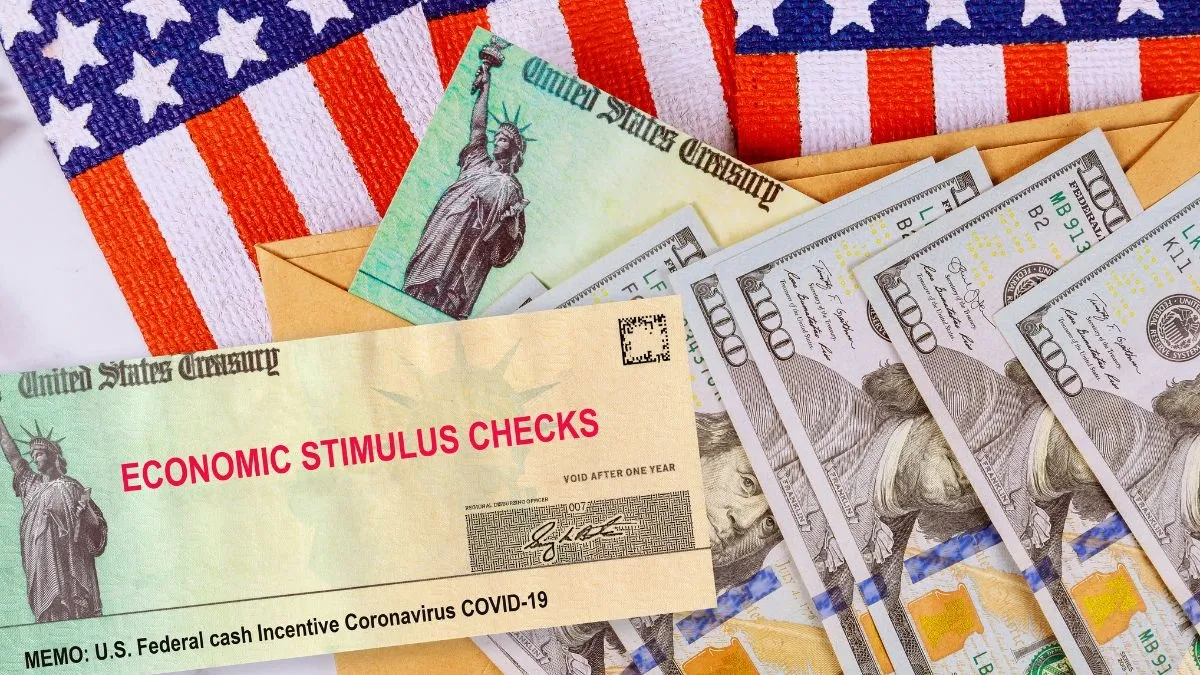
The IRS stimulus update for 2026 has become a big talking point, especially around the reported $1,130 direct payment many Americans are waiting to hear more about. With prices still high and household budgets feeling tight, even a one-time payment can make a real difference. While there is a lot of noise online, the core idea is simple: the federal government is discussing a targeted relief payment, and the IRS would handle distribution if it moves forward. This article breaks everything down in plain, spoken-style English so you can quickly understand what’s being discussed, who may qualify, and what to expect next.
What Is the $1,130 IRS Stimulus Payment for 2026?
The proposed $1,130 direct payment is being described as a focused relief measure rather than a broad, everyone-gets-it stimulus like earlier pandemic checks. The goal is to help lower- and middle-income households manage ongoing cost pressures such as rent, groceries, utilities, and healthcare. If approved, the IRS would send the money directly, either through direct deposit or paper checks, using existing tax records. The payment is not expected to be monthly; instead, it would likely be a one-time or limited disbursement aimed at people who meet certain income and filing requirements.
Who May Be Eligible for the $1,130 Payment?
Eligibility is expected to follow patterns used in past IRS relief programs. That means income level, tax filing status, and residency would matter most. Individuals who regularly file federal tax returns and fall under specific income limits would be first in line. Seniors on Social Security, SSDI, or SSI may also be included if their information is already on file with the IRS. Dependents, including college students and some adult dependents, may qualify through a primary filer, depending on final rules. Exact eligibility details would only be confirmed once official guidance is released, but past programs give a clear idea of how it usually works.
Expected Payment Details and Distribution Method
If the program moves ahead, the IRS would rely heavily on automation to send payments quickly. Direct deposit would be the fastest option, followed by paper checks and prepaid debit cards for those without banking information on file. Timing would depend on when legislation or executive authorization is finalized, but early estimates suggest payments could roll out in phases rather than all at once. Below is a simple snapshot of the expected structure based on current discussions.
| Category | Expected Details |
|---|---|
| Payment Amount | $1,130 per eligible individual |
| Payment Type | One-time direct payment |
| Distribution Method | Direct deposit, check, or debit card |
| Administered By | Internal Revenue Service (IRS) |
| Based On | Most recent tax return or benefit record |
Income Limits and Other Key Conditions
Income limits are likely to be the main deciding factor. In similar programs, full payments went to individuals below a certain adjusted gross income, with reduced amounts for those earning slightly more. Filing status such as single, married filing jointly, or head of household also plays a role. Non-filers who receive federal benefits have previously been included automatically, while others needed to submit basic information to the IRS. People who recently changed banks, moved addresses, or haven’t filed taxes in recent years may need to update their details to avoid delays.
What You Should Do Right Now
Even though nothing is final yet, there are a few smart steps people can take now. Make sure your latest tax return is filed and accurate. Check that your direct deposit details with the IRS are up to date. Keep an eye on official IRS announcements rather than relying on social media rumors. If you receive federal benefits, confirm that your information with the relevant agency is current. Being prepared can save weeks of waiting if the payment is approved.
Final Takeaway on the 2026 IRS Stimulus Update
The $1,130 IRS stimulus payment for 2026 is still in the discussion and planning stage, but it reflects a clear intention to offer targeted financial relief rather than a broad stimulus. For many households, this kind of support could help cover essential expenses during a challenging economic period. The key things to remember are eligibility will matter, the IRS will use existing records, and preparation now can prevent problems later. As always, official confirmation is what truly counts, so staying informed through trusted sources is the best move.